





Berlin's essential must-see attractions
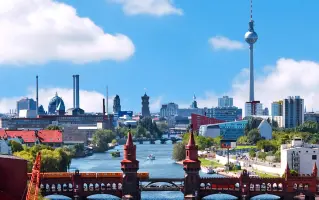
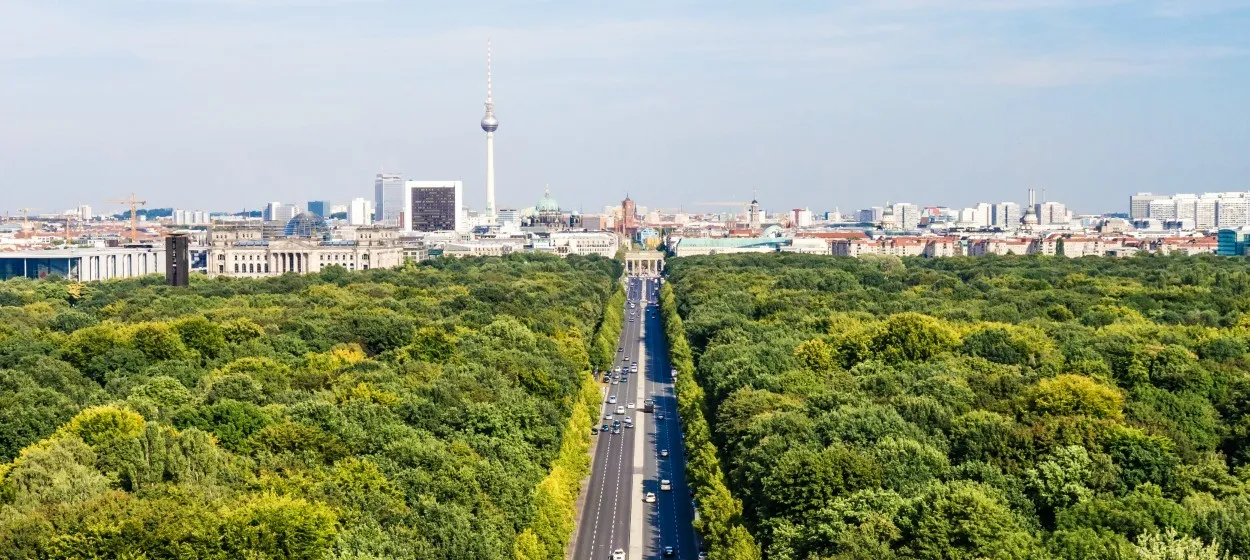
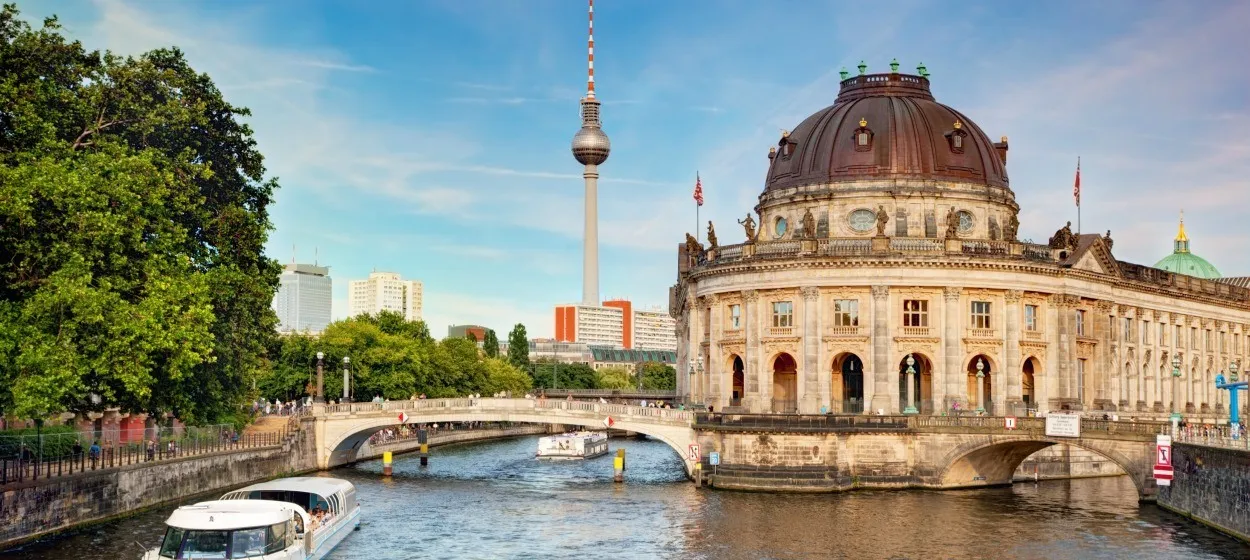
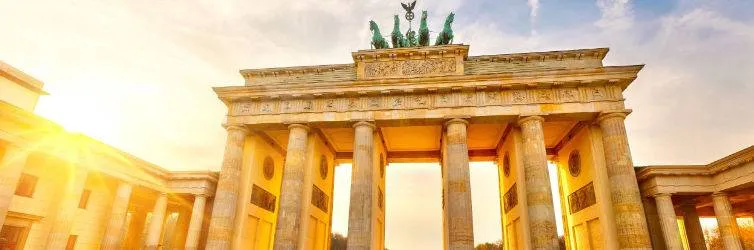
Few cities let their landmarks do the talking like Berlin. The Reichstag’s fusion of ultra-modern ...
Car hire in Germany is your passport to a nation of unmatched beauty and staggering scenery. Take in mist-shrouded forests, time warp towns full of half-timbered houses and bustling cities packed with history, technological savvy and a can-do attitude.
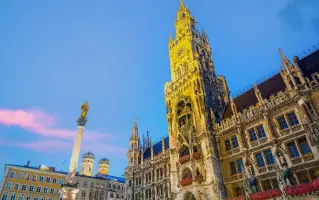
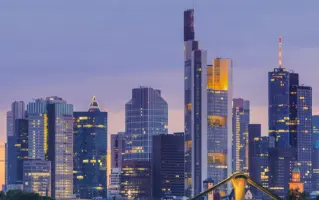
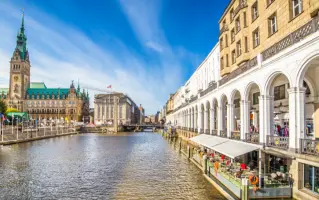
Roads across the nation transport you through rural scenes made for eternal memories, towards cities that have cemented themselves as global tourism heavyweights, such as Berlin. While destinations including Hamburg, Frankfurt and Munich all have their own unique, distinct character to experience when you arrive.
See all of this and more in a car chosen from the diverse and modern Hertz range. Delve into the lush Black Forest in a roomy SUV or drive through Düsseldorf in something a little more sporty.
Hire a car in Germany with Hertz for great customer service and pick-up locations chosen to give you the best access to this grand and impressive country.
Benefits from day one.
Join  for free.

Up to 10% discount applies to base rates in the UK, France, Germany, Spain, Italy, and Benelux. 5% applies for the rest of the world. The discount applies to the base rate quoted (excluding taxes and any other charges). It does not apply to affiliated rates or rates that are already discounted.
Points are earned on per day time and mileage charges only. Free rental days cover base rate (time and mileage) only. Taxes, optional extras and any other fees are excluded. One-car-class upgrade applies to Compact, Intermediate, Standard & Full-size rentals with a maximum upgrade to a Premium. Additional terms and exclusions apply
You can skip the counter once your membership is activated after your first rental. Available at select locations only.

Benefits from day one.
Join  for free.

Ready to get more from every drive? Hertz Gold+ is our free loyalty program that turns everyday car rental into rewards. Get instant perks and seamless pickups.
Skip the rental counter at selected locations – just head to your car and go. At selected US rental locations, you can also choose from a wider selection of cars, including exclusive vehicles for top-tier members.
Earn free rental days with every booking. The more you rent, the faster you unlock elite status.* *Points are earned & redeemed on the base rental rate only. Taxes, fees, & options are excluded. Additional terms apply.
Add your spouse or partner as an additional driver for free.

Found a lower rent? We’ll match it and give 10% off of that base rate.

Plans change. Cancel for free up to 2 days before pick-up.

Enjoy hassle-free rentals with convenient pick-up locations.

A premium fleet for better travel each time.
There are currently no toll roads for private vehicles in Germany.
Hertz has more than 400 pick-up locations across Germany. Here are some of the top destinations:
The twin spires reaching for the heavens tell you you’ve landed in Cologne, but there’s much more to this location than its incredible Gothic cathedral. The winding streets here hide medieval gems, chocolate shops and pretty plazas – plus unassuming museums that hold, to take just one example, almost 1000 pieces by Picasso.
Perched on the Rhine, energetic Düsseldorf is one of Germany’s premier modern cities, stuffed to the gills with ambitious architecture and vertiginous skyscrapers. It’s not all business – hop through the Altstadt (old town) at night and you’ll discover the medieval core of the city and a place that lives to party.
Long considered a magnet for petrolheads, is a manufacturing monster and is home to Porsche and Mercedes-Benz. Both motoring marques have impressive museums here, but the city is also packed with stately parks and baroque buildings. It’s also in pole position for an excursion into the Black Forest.
Bremen looks it has been plucked out of a Grimm fairy tale - a place of winsome charm with medieval architecture and windmills. As you stand in Marktplatz, surrounded by colourful guild houses, it’s like you’ve travelled to the past. It’s all the more surprising when you learn that the city is also famous for cutting-edge technology and science institutes.
The capital of Lower Saxony has a relaxed vibe and sedate approach to life that hits you the moment you arrive. Approach this happy city at a slow pace to experience the very best of it – the landscaped royal gardens, the town hall and Eilenriede Forest – the largest urban forest in Europe.
Dresden is like a phoenix rising from the ashes, rebuilding itself in the past century in the image of its former glory. The results will take your breath away as you tour the resurrected museums, full of international treasures. The city is split in twain by the River Elbe, and both banks have their appeal.
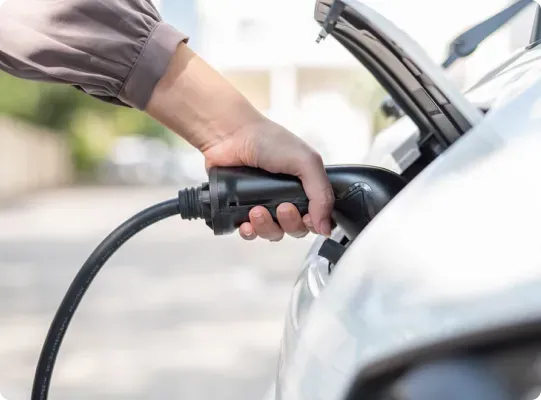
Looking for a greener way to explore Germany? Hertz offers electric car hire at Germany, making sustainable travel easy and convenient. Choose from the latest EV models and enjoy a smooth, quiet, eco-friendly drive with zero emissions. Experience the future of driving.
Plan your road trip now!
Few cities let their landmarks do the talking like Berlin. The Reichstag’s fusion of ultra-modern ...

Dortmund is the largest city in Germany’s western Ruhr region in Rhine-Westphalia. A place of be...
Whether you’re going on a city break or exploring the great outdoors, renting a Hertz car keeps yo...

 GB | EN ▾