Once you start driving through Europe, you realise every city has its own rhythm, sound, story, and scent that stay with you long after you’ve left. And the best way to feel those differences is to move between places at your own pace, taking in the culture that lives not only in museums, but also in cafés, side streets, viewpoints and quiet neighbourhoods.
If you want to visit European cities that offer real depth, colour and history, here are the places that turn a simple journey into a cultural story worth remembering.
1. Florence, Italy: The Heart of the Renaissance
Florence feels like walking through an open-air museum. You can stand under the Duomo in the morning, walk across the Ponte Vecchio at noon, and spend the afternoon with Botticelli at the Uffizi Gallery. But drive just a few minutes out of the city, and the Tuscan countryside adds another layer, thanks to the vineyards, stone farmhouses and small towns with peaceful piazzas. If you’re looking for a culture that blends art, architecture and slow living, Florence sets the standard.
2. Vienna, Austria: Music, Palaces & Coffeehouses
Vienna carries itself with quiet confidence. The city has a long history with classical music, and you can feel it in the opera houses, concert halls and even the streets. The Schönbrunn Palace, Belvedere and the Museum Quarter each tell a different story about Austria’s past and present. Vienna’s culture also lives in its cafés, places where you sit, think, talk and watch the world go by.
3. Barcelona, Spain: Modernism, Neighbourhoods & Mediterranean Life
Gaudí’s architecture gives Barcelona its identity, but the culture goes far beyond the landmarks. Walk through El Born or Gràcia, and you’ll see why travellers keep returning, including elements like small bakeries, local markets, artists working with open doors, and neighbourhood squares where people gather late into the night. If you’re looking for things to do in Europe that blend creativity, food, beach life, and architecture, Barcelona is one of the easiest choices.
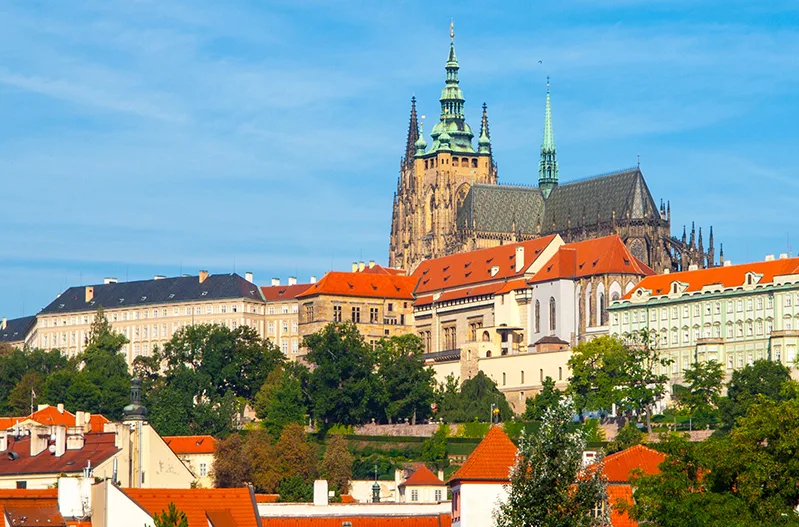
4. Prague, Czech Republic: Storybook Streets & Bohemian Soul
Prague feels timeless. The Old Town Square, Charles Bridge and Prague Castle look like scenes from an old film, while jazz clubs and small cafés give the city a softer, more intimate energy. It’s also a great city to explore by car if you want to connect it with Český Krumlov, Kutná Hora or the rolling countryside that surrounds Bohemia. Prague feels like a slow cultural reveal instead of a loud and flashy show of it.
5. Berlin, Germany: History, Art & Modern Expression
Berlin blends old stories with new perspectives. The museums on Museum Island, the Berlin Wall memorials and the Reichstag reflect powerful chapters of history. But the culture today is found in street art, independent galleries, markets, and neighbourhoods like Kreuzberg and Prenzlauer Berg. Driving between cities in Germany is smooth, so Berlin often becomes part of a bigger cultural loop through Leipzig, Dresden or Hamburg.
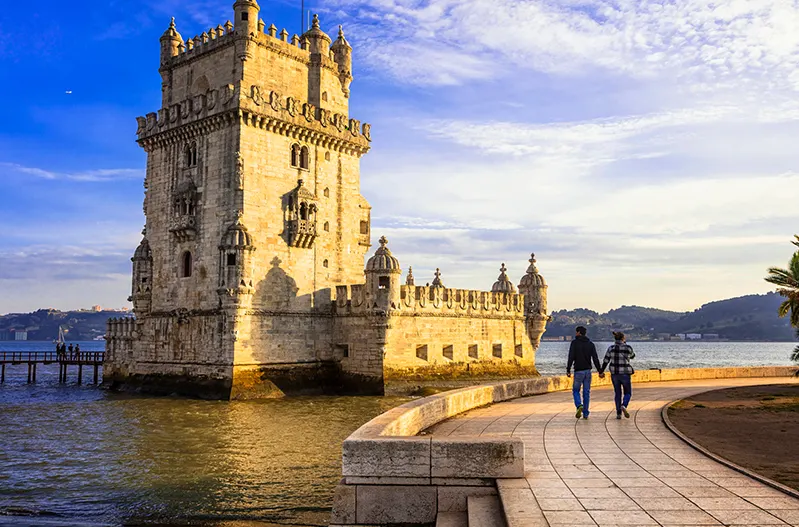
6. Lisbon, Portugal: Tiles, Music & Hills Over the Atlantic
Lisbon is warm, musical and full of colour. You’ll hear Fado music in small taverns, see hand-painted tiles on buildings, and walk through neighbourhoods that look down toward the water. Culture here feels personal; it’s in the voices, the food, and the old tram lines that curve through the hills. The drive to Sintra or Cascais adds even more to the journey, and the experience feels nothing short of heavenly.
Why Culture Feels Different When You Discover It by Car
Driving lets you see culture outside the main postcard spots. You can leave a city in the morning, stop in a village that wasn’t in your plans, and reach another cultural centre by evening. You experience the space between places, the landscapes that shaped the art, the food, the music, and the cities themselves. You’re free to follow whatever captures your interest. It’s one of the reasons people prefer to rent a car in Europe rather than rely only on public transport.
Travel Tips for Cultural City Road Trips
A few simple choices make the experience smoother:
- Check museum opening days because many close on Mondays.
- Arrive early for major landmarks to avoid queues.
- Bring comfortable shoes because exploring culture involves walking.
- Research parking zones, especially in older city centres.
- Book timed entries for popular sites.
- Leave time for cafés, markets and slow moments.
Culture isn’t only in the attractions. It’s in the atmosphere. Europe is filled with picturesque scenes and cultural hotspots that define years of global history. The experience feels smoother if travellers keep a few pointers in mind.
How Hertz Helps You Explore Cultural Cities
If you’re planning to explore several cultural cities on one trip, Hertz.co.uk offers pick-up locations at major European airports and city centres, making it easy to begin wherever your journey starts. You’ll find a range of vehicles suited for narrow streets or longer drives, and you can review rental terms and driving rules before booking.
Europe has culture layered into its buildings, voices, food, and the stories people share. When you discover its cities by car, you get to connect them on your own terms. And somewhere between the roads and the landmarks, the journey becomes part of the culture too.
FAQs
1. Which European city to visit for 3 days?
Florence, Prague and Lisbon are ideal for short cultural breaks; each city is compact, walkable and filled with meaningful experiences you can enjoy in a long weekend.
2. Can you rent a car across Europe?
Yes. Travellers can rent a car in one European country and drive to others, but they should always check cross-border permissions and requirements in their rental agreement.
3. What is the most beautiful city in Europe?
Beauty is subjective, but Venice, Prague, Lisbon and Florence are often considered among the most visually striking cities thanks to their architecture, landscapes and atmosphere.