Spain offers a mix of historic districts, coastal locations and cultural areas that vary from region to region. When you explore several cities in one trip, you’ll find that each has its own rhythm, architecture and local traditions. Many travellers choose to see these destinations by road because driving gives you access to nearby towns, viewpoints and coastlines that are easier to reach outside major transport routes. If you're preparing to rent a car in Spain, this guide outlines what you can expect in each destination and how to plan routes between them.
Explore Barcelona’s Architecture and Coastal Routes
Barcelona introduces you to a blend of architectural landmarks and waterfront districts. You’ll see this immediately in places like the Sagrada Família, the Gothic Quarter and Park Güell. These areas represent different stages of the city’s development and are usually placed high on visitors’ lists of things to do in Spain. You can walk between several neighbourhoods, each offering its own style and local food traditions.
Driving helps you access areas outside the city centre, especially along the Costa Brava. Coastal towns offer walking routes, beaches and lookout points that are easier to reach by car. If you want to venture beyond Barcelona, a car gives you more flexibility to reach coastal towns and countryside spots without being limited by public transport routes or timetables.
Plan a Route Through Madrid and Its Surrounding Cities
As the country’s centre point, Madrid gives you access to several nearby regions. You can explore the Prado Museum, Retiro Park and the areas around the Gran Vía, each offering different aspects of the city. Madrid’s balance of open spaces and cultural institutions makes it a practical starting point, especially if you're considering day trips.
Surrounding cities like Segovia, Ávila and Toledo feature historic districts, plazas and viewpoints that complement Madrid’s urban layout. The roads between them are straightforward, and having or renting a car allows you to visit more than one destination in a single day if your schedule requires it. This flexibility helps if you're planning a route that includes both major cities and smaller historic centres.
Use Seville as a Base for Exploring Andalusia
Seville offers a concentrated set of cultural and architectural landmarks, from the Royal Alcázar to the Seville Cathedral and the Giralda tower. The city’s districts include narrow streets, open plazas and neighbourhoods where cultural events and music remain part of daily life. These features make Seville one of the best cities to visit in Spain if you’re interested in layered history and local traditions.
A car becomes useful when you want to explore the wider Andalusia region. Towns such as Córdoba, Cádiz and Jerez offer additional historic sites, coastal paths and regional food traditions. Smaller towns between them often have layouts that are easier to navigate by car than by public transport. Using Seville as a base gives you access to these surrounding areas, especially if you're planning to visit several cities in one trip.
Explore Valencia’s Coastline and Modern Districts
Valencia combines modern landmarks with coastal districts and large public parks. You can take time to visit the City of Arts and Sciences, walk through the Turia Gardens or explore neighbourhoods near the beachfront. These areas offer a mix of open spaces and contemporary design that distinguishes Valencia from other Spanish cities.
If you rent a car in Spain while staying in Valencia, you can reach smaller coastal towns and viewpoints that sit just outside the city. These locations are well-suited for half-day trips and give you more flexibility than scheduled transport. Because Valencia’s coastline is varied, driving lets you plan routes that include quieter beaches and small harbours.
Combine Granada’s Heritage with Mountain Routes
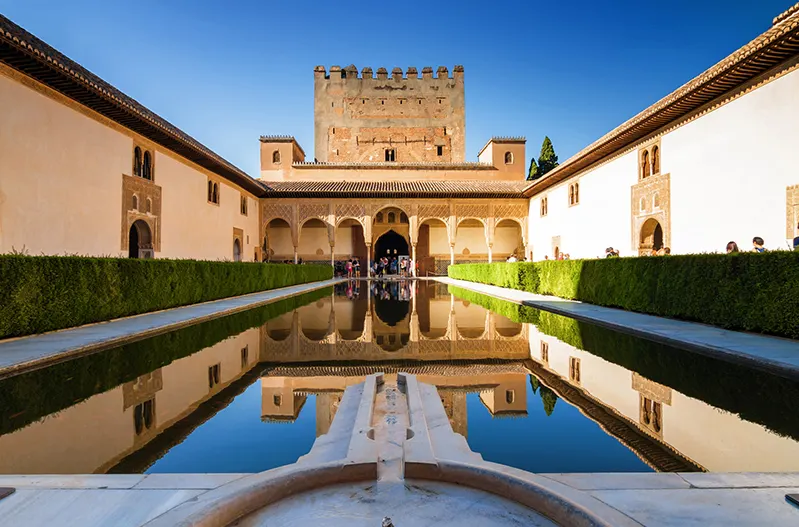
Granada’s position at the foot of the Sierra Nevada gives you a combination of city landmarks and mountain scenery. The Alhambra is a central point in most itineraries, with its courtyards, design features and views across the city. You can also explore the Albaicín district, which includes narrow pathways and whitewashed buildings that reflect Granada’s historical influences.
If you enjoy routes that combine cultural sites with natural landscapes, a car will help you reach the surrounding villages and mountain viewpoints. These areas are easier to explore by road, especially when you want to visit more than one location in a single day. Granada works well for travellers who want varied terrain without long distances between destinations.
Travel Through Bilbao and the Basque Coastline
Bilbao has grown into a vibrant cultural hub that strongly reflects Basque heritage. You can visit the Guggenheim Museum, walk through riverfront districts and explore neighbourhoods known for local food traditions. The city offers a balance of modern design and regional character, making it one of the best cities to visit in Spain if you're heading to the country’s northern regions.
Driving helps you reach the Basque coastline, where towns, cliffs and beaches are located within a short distance of one another. These areas offer a different atmosphere from inland cities and are well-suited for travellers who want coastal walks, food routes or quieter towns alongside a city itinerary.
When Road Travel Adds Value in Spain

Spain is well-suited for road travel, and many travellers opt for car hire for multi-regional routes. You may find that driving supports your plans when:
- Public transport is limited in smaller towns
- You want to visit coastal areas beyond major city beaches
- Your itinerary includes several cities in a short time
- You prefer direct access to viewpoints, regional markets or rural areas
Before travelling, review the rules for renting a car, including licence requirements, insurance details and fuel policies. This makes it easier to map out your routes and prepare for any requirements at car pick-up locations.
How Hertz Supports Road Travel Across Spain
Hertz provides a wide range of vehicles and pick-up points at major Spanish airports and key city locations. You can also review vehicle categories, reservation details and rental terms through Hertz and plan your trip. These features help you integrate car hire into your trip and help plan a flexible and comfortable road trip across Spain.
FAQs
1. What activities can you do in Spain?
Travellers often explore historic districts, museums, coastal areas, local markets and cultural events across major cities and nearby regions.
2. What is considered a “no-do” in Spain?
Travellers should avoid assuming all shops remain open during afternoon hours and should follow local expectations when entering religious or cultural sites.
3. Can a foreigner rent a car in Spain?
Yes. Travellers can rent vehicles with a valid driving licence, passport and, if required, an International Driving Permit. Always confirm rental terms before booking.